CTPAT Certification for Trucking Companies: Complete 2026 Guide for Canadian & U.S. Carriers
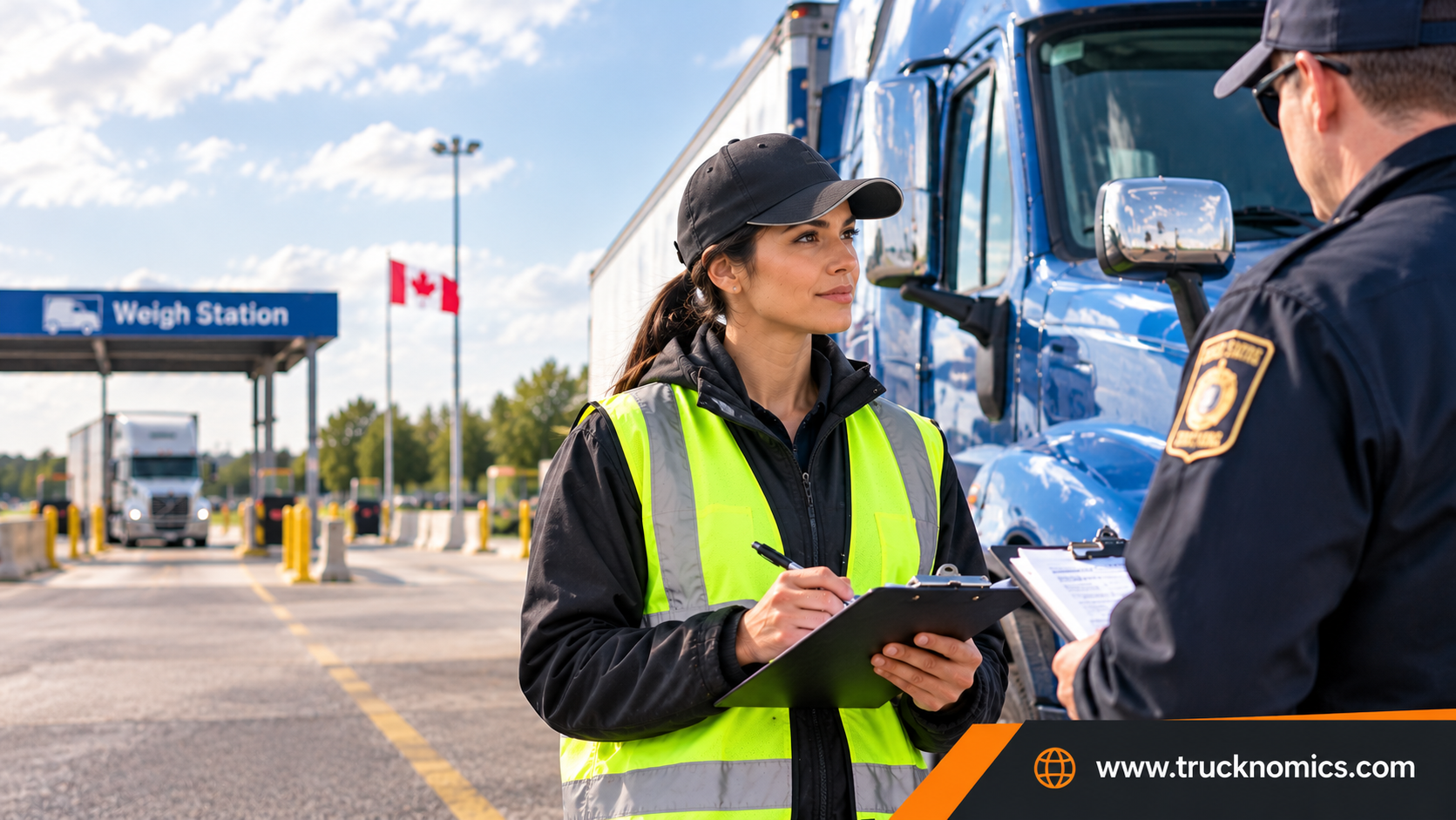
If your trucks cross the Canada–U.S. border, you already know how much time a delay can cost. Longer inspections, extra paperwork, and slow border lines hurt your schedule and your customer relationships. CTPAT certification is one of the best ways for a trucking company to reduce that friction.
In this guide, we explain what CTPAT is, who is eligible, what carriers must do to get certified, and how it connects to the FAST program.
What is CTPAT?
CTPAT stands for the Customs Trade Partnership Against Terrorism. It is a voluntary program run by U.S. Customs and Border Protection (CBP), where trade partners agree to improve the security of their supply chains. In return, CBP offers faster, lower-risk treatment at the border.
Highway carriers are one of the business types that can join, along with importers, customs brokers, freight forwarders, and other supply chain partners. Membership is voluntary, and you do not need to be a large company to apply.
Who is Eligible for CTPAT as a Trucking Company?
CBP sets specific eligibility rules for highway carriers. Generally, you must:
- Be an active carrier that crosses the U.S.–Canada or U.S.–Mexico border
- Complete a supply chain security profile in the CTPAT Portal, explaining how your company meets the program’s Minimum Security Criteria (MSC) for U.S. highway carriers
When you apply, CBP designates you as either a Canadian or a Mexican carrier based on where your company crosses freight. If your company crosses at both borders, CBP says to apply under the Mexican carrier designation.
If you are just starting out and not yet crossing the border, make sure your operating authority is in place first. Our US DOT and MC number setup service can help you get ready for cross-border operations.
Benefits of CTPAT for Trucking Companies
CTPAT is not just a security checklist. For carriers, the benefits can include:
- FAST lane access: CTPAT-certified highway carriers can access dedicated FAST lanes at the Canadian and Mexican borders, which means faster cargo processing.
- Fewer delays: Certified partners are treated as lower risk and may face fewer inspections.
- A CBP point of contact: You work with a Supply Chain Security Specialist who guides you through the program.
- Penalty mitigation: CTPAT carriers may be eligible for more favourable mitigation relief from monetary penalties.
- Customer confidence: Many shippers and importers prefer to work with certified carriers.
CTPAT and FAST: How They Work Together
FAST (Free and Secure Trade) is the program that gives you access to the dedicated commercial lanes. On the U.S. northern border, a carrier needs to be CTPAT certified, and the drivers must be FAST approved, to use FAST lanes.
That means two things to plan for:
- Company certification: Your company joins CTPAT.
- Driver enrolment: Your drivers apply for FAST cards (the FAST application fee for drivers is $50, in USD or CAD).
Planning for both at once saves time. Trucknomics offers FAST program assistance for carriers and drivers.
What Are CTPAT’s Security Requirements?
CTPAT uses Minimum Security Criteria (MSC) designed for each business type. For highway carriers, the criteria focus on areas such as:
- Business partner screening: Written, verifiable processes for screening your agents, sub-contracted carriers, service providers, and new customers
- Conveyance and trailer security: Procedures to keep trucks and trailers secure, including inspections and seals
- Physical access controls: Controlling who can enter your yard, office, and equipment
- Personnel security: Screening and verifying employees and drivers
- Procedural security: Documented processes for cargo handling, documentation, and reporting incidents
- Cybersecurity: Protecting your systems and shipment data from unauthorized access (added to the criteria in 2019)
- Security training and threat awareness: Making sure your employees know the procedures and how to report concerns
You also need to complete a risk assessment of your supply chain before submitting your security profile.
How to Get CTPAT Certified: Step by Step
- Confirm your eligibility. Make sure you are an active border-crossing carrier and review the MSC for highway carriers.
- Do a gap analysis. Compare your current practices against each MSC requirement and note what is missing.
- Conduct a risk assessment. Review your supply chain, routes, and business partners, and document the risks and how you manage them.
- Create your policies and procedures. Put your security processes in writing, including driver screening, seal control, trailer inspections, and incident reporting.
- Submit your application and security profile. Apply through the CTPAT Portal and explain in detail how your company meets each requirement.
- Work with your CBP specialist. A Supply Chain Security Specialist reviews your profile and may ask for changes or more information.
- Complete validation. After certification, CBP validates that your practices match what you described in your profile.
- Maintain your program. CBP revalidates members periodically, and you must keep your security measures, records, and training up to date.
Application is free, but preparing the program properly takes time and effort.
Common Mistakes Carriers Make
- Writing policies that nobody follows. CBP checks your actual practices against your profile, so only write what you will really do.
- Weak business partner screening. Subcontractors and service providers need written, verifiable vetting.
- Poor records. Seal logs, inspection reports, training records, and driver files must be easy to find.
- Skipping training. Drivers and staff must know the procedures and how to report suspicious activity.
- Ignoring cybersecurity. Dispatch software, email, and shipment data all need protection.
Strong driver records make a big difference here. Our driver qualification files service helps you keep clean, organized personnel documentation, and our Truck Safety & Compliance Training can support the training part of your program.
Should Canadian Carriers Also Think About PIP?
Canada runs its own program, Partners in Protection (PIP), through the Canada Border Services Agency (CBSA). Canadian carriers that cross the border often look at CTPAT, PIP, and FAST together, since each affects how smoothly shipments move in different directions. Check current CBSA requirements for your operation before you apply.
Is CTPAT Worth It for a Small Carrier?
For many carriers, yes, especially if you cross the border regularly or want to work with large shippers. The program takes effort to set up, but faster border processing, stronger customer trust, and a documented security system can pay off. If you only cross the border occasionally, weigh the time needed against the benefit.
Frequently Asked Questions
What is CTPAT certification for trucking companies?
It is a voluntary CBP program in which highway carriers meet security standards in exchange for faster, lower-risk border processing.
Who can apply for CTPAT as a trucking company?
Active border-crossing U.S.–Canada or U.S.–Mexico highway carriers that can complete a security profile meeting CBP’s criteria.
Is CTPAT mandatory?
No. It is voluntary, but it can help you access FAST lanes and attract customers.
How much does CTPAT cost?
There is no CBP application fee, but you should budget time and possibly outside support for building your security program.
Do I need CTPAT to use FAST lanes?
Yes. On the northern border, carriers need CTPAT certification, and their drivers must be FAST approved.
Does CTPAT apply to Canadian carriers?
Yes. U.S.–Canada highway carriers are eligible if they meet CBP’s requirements.
Final Thoughts
CTPAT certification can give your trucking company faster border crossings, a stronger security system, and a competitive edge. The key is to prepare carefully: know the criteria, build real procedures, document everything, and train your team.
If you want expert help, Trucknomics offers CTPAT consulting and certification services to guide Canadian and U.S. carriers through the whole process. Contact Trucknomics to get started.