Trucknomics Dispatch and Brokerage
- 2980 Drew Rd, Unit-222 B, Mississauga, Ontario, L4T 4E5
What You Will Learn in a Freight Brokerage Training Course
The transportation and logistics industry is one of the fastest-growing sectors in North America, creating strong demand for skilled freight brokers who can connect shippers with reliable carriers. If you’re planning to build a career in logistics or start your own freight brokerage business, enrolling in a Freight Brokerage Training program is an excellent first step. A professional Freight Brokerage Training Course provides the practical knowledge, industry insights, and operational skills needed to succeed in today’s competitive freight industry.
At Trucknomics, students receive hands-on, industry-focused education designed to prepare them for real-world freight brokerage operations. Instead of focusing only on theory, the training emphasizes practical learning that helps students confidently enter the logistics industry.

What Is a Freight Brokerage Training Course?
A Freight Brokerage Training Course is designed to teach individuals how freight brokerage works, from finding shipping opportunities to managing carrier relationships and negotiating freight rates. The course provides a comprehensive understanding of the freight transportation process while helping students develop the skills required to work with trucking companies, owner-operators, and shippers.
Professional Freight Broker Training prepares students to understand industry workflows, transportation regulations, and effective communication strategies used in modern logistics.
Topics Covered in Freight Brokerage Training
A quality Freight Brokerage Training program should provide practical knowledge in several key areas.
1. Freight Industry Fundamentals
Students begin by learning how the transportation and logistics industry operates. This includes understanding supply chains, freight movement, shipping terminology, and the responsibilities of freight brokers.
A solid foundation helps students better understand how brokers support both shippers and carriers.
2. Load Boards and Freight Matching
One of the most important skills taught in a Freight Brokerage Training Course is how to use load boards effectively.
Students learn how to:
- Search available freight loads
- Match carriers with shipments
- Evaluate freight opportunities
- Maximize operational efficiency
Understanding load boards is essential for successful freight brokerage.
3. Carrier and Shipper Communication
Communication is one of the most valuable skills for freight brokers.
Professional Freight Broker Training teaches students how to:
- Build relationships with carriers
- Communicate with shippers professionally
- Handle customer inquiries
- Resolve transportation issues
- Maintain long-term business relationships
Strong communication skills improve customer satisfaction and help build trust within the logistics industry.
4. Freight Rate Negotiation
Successful freight brokers understand how to negotiate competitive rates while maintaining profitable business relationships.
Students learn techniques for:
- Negotiating freight prices
- Understanding market conditions
- Evaluating transportation costs
- Building win-win agreements
These skills contribute directly to long-term success in freight brokerage.
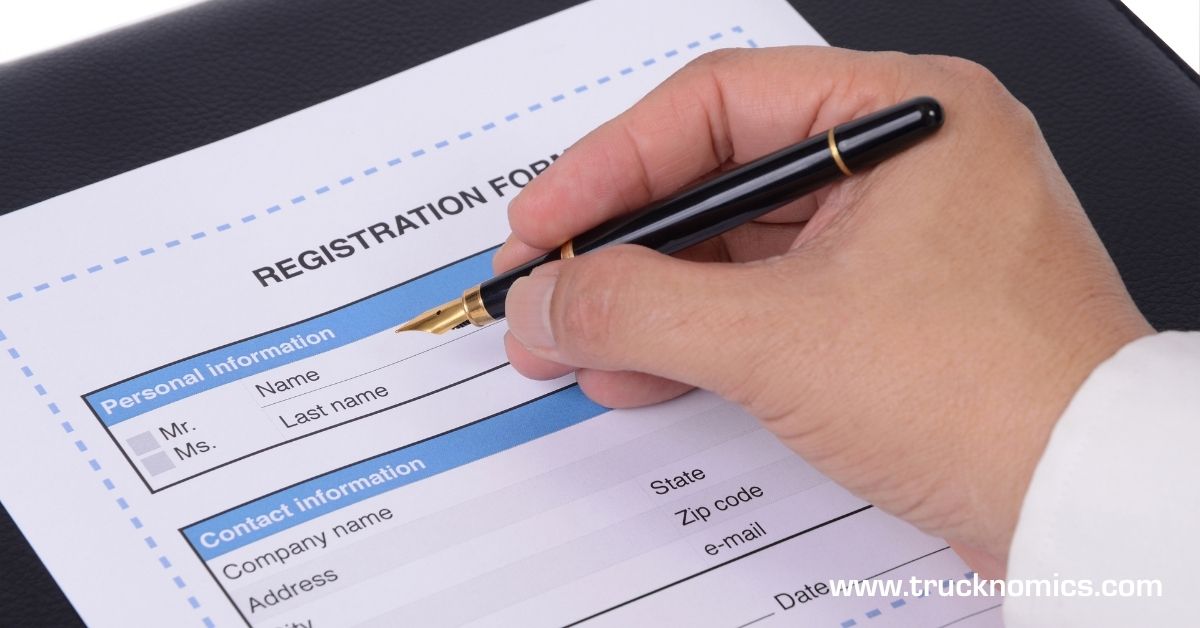
5. Transportation Documentation
Freight transportation involves important documentation that supports legal compliance and shipment management.
A professional Freight Brokerage Training Course introduces students to documents such as:
- Rate confirmations
- Bills of lading
- Carrier agreements
- Shipping documentation
- Dispatch records
Learning proper documentation practices helps reduce errors and improve operational efficiency.
6. Industry Regulations and Compliance
The transportation industry operates under various regulations that freight brokers must understand.
Training programs typically cover:
- Transportation compliance
- Industry standards
- Broker responsibilities
- Ethical business practices
Understanding compliance helps students build professional and reliable brokerage operations.
Why Practical Freight Broker Training Matters
While theoretical knowledge is valuable, practical experience makes the biggest difference.
At Trucknomics, students participate in practical learning experiences that simulate real freight brokerage operations. This approach helps learners understand industry challenges before entering the workforce.
Hands-on training improves confidence while preparing students to manage real freight transactions and customer relationships.
Career Opportunities After Freight Brokerage Training
Completing a Freight Brokerage Training program can open doors to multiple career opportunities, including:
- Freight Broker
- Freight Broker Assistant
- Logistics Coordinator
- Transportation Coordinator
- Freight Sales Representative
- Supply Chain Support Specialist
Many graduates also choose to establish their own freight brokerage businesses after gaining industry experience.
Why Choose Trucknomics?
Trucknomics is committed to providing practical, industry-focused Freight Broker Training that prepares students for today’s transportation industry.
Students benefit from:
- Experienced industry instructors
- Real-world case studies
- Practical brokerage workflows
- Hands-on learning
- Career-focused training
The curriculum is designed to help learners build both technical knowledge and professional confidence.
Final Thoughts
A professional Freight Brokerage Training Course is more than just learning transportation terminology—it is about developing the practical skills needed to succeed in one of North America’s fastest-growing industries.
Whether your goal is to work for a logistics company or launch your own brokerage business, investing in quality Freight Brokerage Training provides the knowledge, confidence, and industry expertise required for long-term success.
With practical learning, experienced instructors, and real-world industry exposure, Trucknomics helps aspiring freight professionals build rewarding careers in transportation and logistics.

Contact us
- 905-207-5500
- info@trucknomics.com
- 2980 Drew Rd, Unit-222 B, Mississauga, Ontario, L4T 4E5
Quick Links
Monday to Friday
09:00 am to 06:00 pm
Saturday
09:00 am to 06:00 pm
Sunday
08:00 am to 09:00 pm
Copyrights 2026. All Rights are Reserved by Trucknomics
Developed by Digify SEO Company
Trucknomics Dispatch and Brokerage
Typically replies within minutes
Hi,
How can I help you?
WhatsApp Us
Online | Privacy policy
WhatsApp us