Trucking Compliance Services: A Complete Guide for Trucking Companies
Running a trucking company involves much more than moving freight from one location to another. Carriers must manage driver records, vehicle documentation, inspections, safety procedures, and regulatory requirements while keeping daily operations running efficiently. This is where trucking compliance services can provide valuable support.
For trucking companies in Mississauga, Ontario, and across Canada, having an organized compliance process can help reduce administrative challenges, improve fleet safety, and keep important documentation up to date.
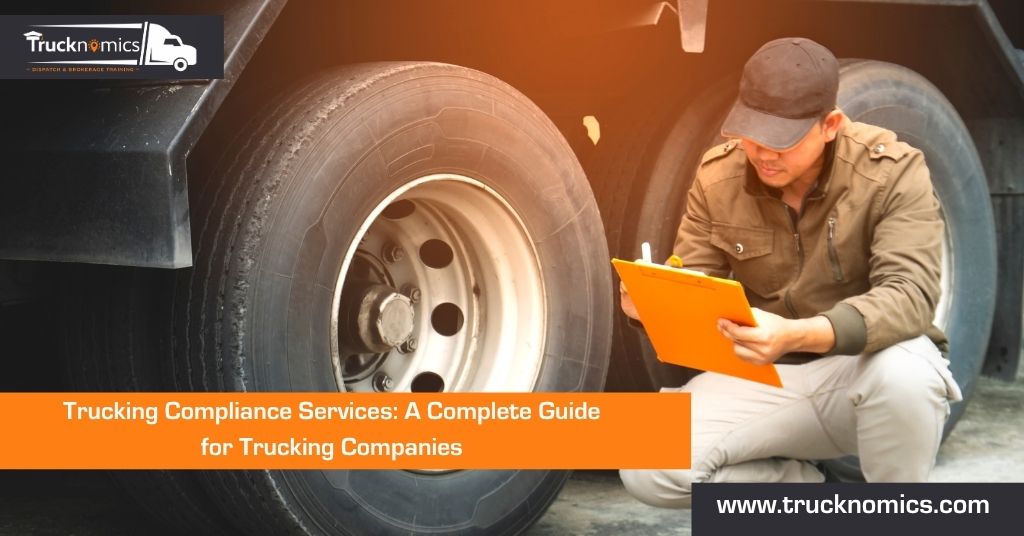
What Are Trucking Compliance Services?
Trucking compliance services are professional services designed to help trucking companies manage safety, regulatory, driver, and fleet-related compliance responsibilities.
Depending on the carrier’s operations and jurisdiction, compliance management may include:
- Driver qualification and documentation
- Vehicle inspection and maintenance records
- Safety documentation
- Fleet compliance management
- Regulatory recordkeeping
- Compliance monitoring
- Audit and inspection preparation
- Safety policy management
- Documentation tracking and organization
The exact requirements depend on where a trucking company operates and the type of transportation services it provides.
Why Is Trucking Compliance Important?
Compliance is an essential part of operating a professional trucking business. Poor recordkeeping or missed compliance requirements can create operational problems, increase safety risks, and make regulatory inspections more difficult.
A structured compliance program helps trucking companies maintain accurate records, identify potential issues early, and establish consistent safety procedures.
For growing fleets, compliance management becomes even more important because the number of drivers, trucks, inspections, and documents increases as the business expands.
What Do Trucking Compliance Services Include?
1. Fleet Compliance Management
Fleet compliance management focuses on keeping vehicle-related documentation, inspections, maintenance records, and safety processes organized.
A well-managed fleet compliance system helps businesses track important requirements and avoid relying on manual or inconsistent processes.
2. Driver Compliance
Driver-related compliance can include maintaining qualification documents, required records, training documentation, and other applicable information.
Keeping driver files organized makes it easier for trucking companies to identify missing or outdated documentation.
3. Safety and Compliance Management
Trucking safety and compliance should work together. A strong safety program can help establish procedures for drivers, vehicles, inspections, and daily transportation operations.
Professional safety and compliance management can help trucking companies create a more structured approach to managing these responsibilities.
4. Inspection and Audit Preparation
Trucking companies may need to prepare for regulatory inspections or audits depending on their operations and jurisdiction.
For companies operating in the United States or conducting cross-border transportation, DOT fleet compliance and DOT-related requirements may be relevant. Canadian requirements should be addressed separately based on the applicable province and operation.
Benefits of Professional Trucking Compliance Services
Working with a professional compliance provider can help trucking companies:
- Organize important compliance documentation
- Improve fleet safety processes
- Identify potential compliance gaps
- Reduce administrative workload
- Prepare more effectively for inspections and audits
- Establish consistent compliance procedures
- Support business growth with better documentation systems
For trucking companies in Mississauga, professional compliance support can be particularly valuable as fleets grow and transportation operations become more complex.
Trucking Compliance Services in Mississauga
Businesses searching for Trucking Compliance Services in Mississauga should look for a provider that understands both the operational realities of trucking and the compliance responsibilities that apply to their specific business.
Trucknomics provides safety and compliance management support for trucking businesses, helping companies organize their compliance processes and develop more structured fleet safety practices.
Whether you operate a small carrier or manage a growing fleet, a proactive approach to compliance can help create safer and more organized transportation operations.
Frequently Asked Questions
What are trucking compliance services?
Trucking compliance services help carriers manage applicable safety, driver, vehicle, documentation, and regulatory compliance responsibilities.
Why is fleet compliance important?
Fleet compliance helps trucking companies keep vehicle records, inspections, maintenance documentation, and safety processes organized and up to date.
Do trucking companies need DOT compliance services?
Companies operating in the United States or conducting applicable cross-border operations may have DOT/FMCSA compliance responsibilities. Requirements depend on the company’s operations and jurisdiction.
Can Trucknomics help with trucking safety and compliance?
Yes. Trucknomics offers Safety and Compliance Management support designed to help trucking companies organize compliance processes and strengthen fleet safety management.
Final Thoughts
Effective compliance management is an important part of running a safe, organized, and sustainable trucking business. From fleet compliance management and driver documentation to inspection preparation and safety procedures, trucking companies need reliable processes for managing their responsibilities.
Professional trucking compliance services can help businesses stay organized, identify potential gaps, and build stronger compliance systems.
For trucking companies in Mississauga and Ontario looking for structured safety and compliance support, Trucknomics can help develop practical compliance management processes aligned with the needs of their transportation operations.