The trucking industry keeps goods moving across the country, and behind every successful truckload is a skilled dispatcher managing schedules, routes, and communication. If you are interested in starting a career in logistics, truck dispatcher training can be a smart first step. However, many beginners often wonder where to begin.
At Trucknomics, we help aspiring dispatchers understand the industry and gain the practical knowledge needed to build a successful career.
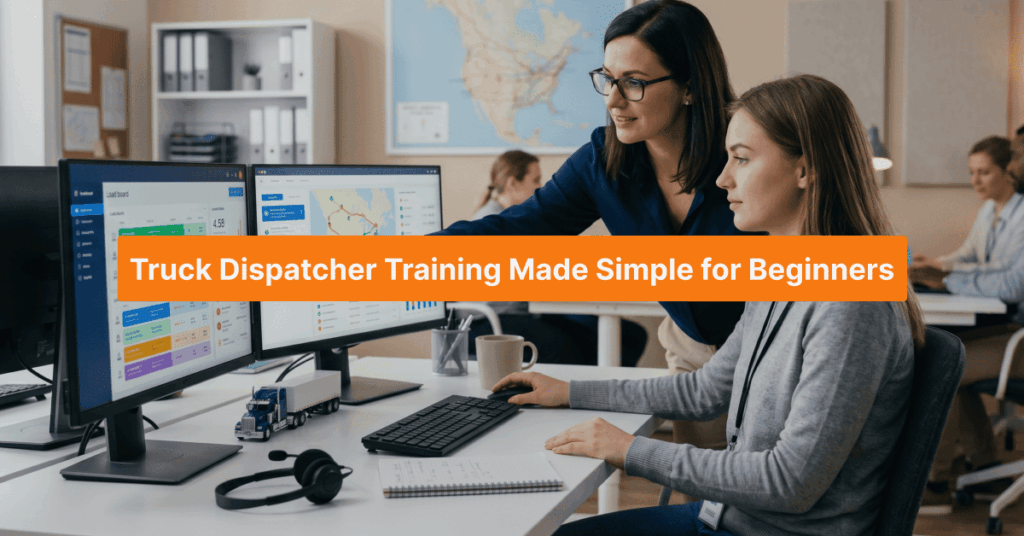
A truck dispatcher serves as the connection between drivers, brokers, customers, and carriers. Their main responsibility is to ensure freight moves smoothly, deliveries are completed on time, and drivers stay on schedule.
Dispatchers help trucking companies improve efficiency, reduce delays, and maximize profits by managing loads and coordinating transportation activities.
A truck dispatcher is responsible for coordinating freight movement between drivers, brokers, and customers. Their daily tasks often include:
A dispatcher plays a major role in keeping trucking operations organized and profitable.
Many people assume dispatching is simple, but it requires strong communication, organization, and problem-solving skills. Proper training helps beginners understand:
Without proper training, it can be difficult to manage real-world dispatching situations.
1. Learn the Basics of the Trucking Industry
Before becoming a dispatcher, it is important to understand how the trucking industry works. Learn about different truck types, freight categories, shipping routes, and transportation terms.
Understanding the basics will make it easier to communicate with drivers, brokers, and clients.
2. Join a Professional Training Program
The best way to start is by enrolling in a structured truck dispatcher training course. A good program should include:
Trucknomics offers beginner-friendly dispatcher training designed to help students gain practical industry knowledge.
3. Practice Using Dispatch Software
Modern dispatchers use software and load boards every day. Beginners should become familiar with:
Practical software can help you become job-ready faster.
4. Improve Your Communication Skills
Truck dispatchers spend much of their day talking with drivers, brokers, and customers. Clear communication is important for avoiding misunderstandings and solving problems quickly.
Beginners should focus on improving:
These skills can make a major difference in your success as a dispatcher.
5. Gain Real-World Experience
Once you complete your training, try to gain hands-on experience through internships, entry-level dispatch roles, or practice projects.
Real-world experience helps beginners understand the pace and challenges of the logistics industry.
Trucknomics provides practical truck dispatcher training for beginners who want to build a career in logistics and transportation. Our training focuses on real industry scenarios, modern dispatch tools, and hands-on learning.
Whether you are completely new to the trucking industry or looking for a career change, Trucknomics can help you get started with the right knowledge and support.
Starting a career as a truck dispatcher can be rewarding, especially as the demand for skilled logistics professionals continues to grow. The right training can help beginners build confidence, understand industry operations, and prepare for future opportunities.
If you are ready to begin your journey, Trucknomics offers the training and guidance you need to start strong in the trucking industry.
Copyrights 2026. All Rights are Reserved by Trucknomics
Developed by Digify SEO Company
Trucknomics Dispatch and Brokerage
Typically replies within minutes
Hi,
How can I help you?
WhatsApp Us
Online | Privacy policy
WhatsApp us