What Is Truck Dispatching?
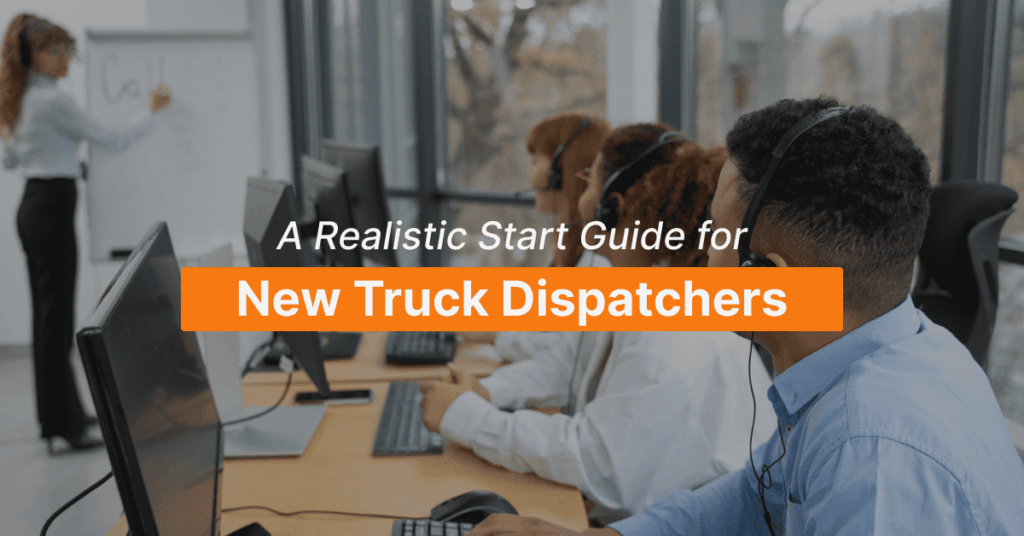
Truck dispatching is the coordination center of the trucking industry. A dispatcher connects carriers (truck owners) with freight brokers or shippers who need to move loads.
The main responsibilities of a dispatcher include:
- Booking freight and negotiating rates with brokers
- Assigning loads to drivers based on location and availability
- Tracking shipments and ensuring on-time delivery
- Handling paperwork such as rate confirmations, carrier packets, and BOLs
- Communicating between brokers, drivers, and customers
- Ensuring compliance with DOT and FMCSA regulations
In simple terms, dispatchers keep the wheels of the trucking industry turning — making sure freight moves efficiently, profitably, and legally.
Is It Hard to Start in Truck Dispatching?
The short answer: It’s not hard — but it takes dedication, consistency, and real training.
Like any professional skill, truck dispatching has a learning curve. New dispatchers often face challenges like:
- Learning Industry Basics: Understanding load boards, rate confirmations, fuel surcharges, and lane rates can be confusing at first. Without structured training, many beginners waste months trying to figure it out alone.
- Mastering Dispatch Software: Tools like DAT Load Board, TruckStop, Loadlink, and TMS (Transportation Management Systems) are essential. Once you know how to use them effectively, they become your biggest assets — but at first, they can feel overwhelming.
- Handling Communication Pressure: You’ll juggle calls with brokers, drivers, and shippers throughout the day. Strong communication skills and confidence make all the difference in how much you earn and how smooth your operations run.
- Building Industry Confidence: The biggest hurdle for most new dispatchers isn’t knowledge, it’s confidence. Many struggle to talk to brokers, negotiate rates, or build relationships. That’s why hands-on training and mentorship matter so much.
The truth is: Truck dispatching is learnable. With step-by-step guidance and real-world practice, most students start booking loads confidently within 4 weeks of focused learning.
Why Truck Dispatching Is a Smart Career Move?
The trucking industry is the backbone of North American trade — and skilled dispatchers are in high demand. Here’s why this career is worth your time:
- Low Startup Cost: No CDL license, truck, or big investment needed. All you need is a laptop, phone, internet, and the right dispatch training.
- Work From Anywhere: Truck dispatching is one of the fastest-growing remote logistics careers. You can work from home, start a virtual dispatch company, or even manage clients across multiple time zones.
- High Demand in the Market: Thousands of owner-operators and small trucking companies need reliable dispatchers to handle their freight. Once you prove yourself, your client base — and income, can grow quickly.
- Scalable Earning Potential: As a beginner, you might start earning commissions on each load you book. But as you gain clients or build your own dispatching company, your income can grow from $1,000–$5,000+ per week depending on performance.
How Trucknomics Helps You Start Strong?
At Trucknomics, we’ve built a training program designed for real-world success — not just theory.
Our slogan says it best: “We’ve Hired. We’ve Trained. Now We Teach.”
Our dispatch training covers every essential skill you need to launch and grow your dispatching career:
- Real-World Load Booking: Practice booking live loads, sending rate confirmations, and communicating with real brokers — not simulations.
- Negotiation Skills: Learn how to negotiate rates confidently and maximize profits for your drivers or clients.
- Compliance & Documentation: Understand FMCSA rules, carrier packets, and how to avoid common compliance mistakes that cost dispatchers money.
- Dispatch Technology Training: Hands-on sessions using Loadlink, DAT, and modern TMS systems to make you job-ready from day one.
- Business Development & Branding: Learn how to market yourself as a professional dispatcher, attract clients, and build your own brand using proven outreach strategies.
- One-on-One Mentorship: You’re not just another student — you get personalized mentorship from experienced dispatchers who have successfully run trucking operations.
With Trucknomics, you don’t just learn how to dispatch — you learn how to succeed.
Who Can Become a Dispatcher?
Almost anyone can start a career in truck dispatching. It’s ideal for:
- People seeking remote jobs in logistics
- Entrepreneurs who want to start a small dispatching business
- Stay-at-home parents or professionals looking for flexible work
- Truck drivers or owner-operators who want to expand into office-based roles
- International students or newcomers to Canada exploring the North American freight industry
If you’re hardworking, organized, and good at communication, dispatching can open doors to a stable and high-earning career.