The trucking industry is one of the most important sectors in the global economy. It plays a vital role in transporting goods, supporting businesses, and keeping supply chains running smoothly. With the growing demand for logistics and transportation services, many individuals are considering trucking as a promising career option. However, starting a successful career in this field requires proper knowledge, practical skills, and industry understanding.
This is where professional training programs make a significant difference. Well-structured training programs provide individuals with the knowledge and hands-on experience needed to enter the trucking industry with confidence. At Trucknomics, training programs are designed to help aspiring professionals learn the essential skills required to succeed in various trucking and logistics roles.
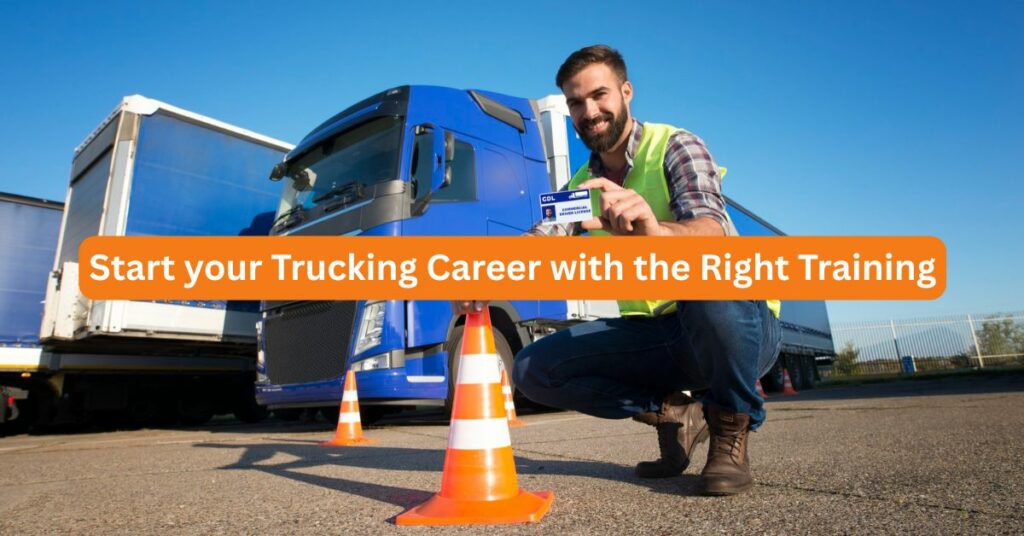
The trucking industry is more than just driving trucks. It includes a wide range of roles such as truck dispatching, freight brokerage, logistics management, fleet operations, and supply chain coordination. These roles require specialized skills, industry knowledge, and familiarity with transportation regulations.
As global trade and e-commerce continue to grow, the demand for skilled professionals in the trucking industry is increasing rapidly. Companies are looking for individuals who understand how the logistics system works and can manage transportation operations efficiently.
Training programs help bridge the gap between beginners and industry professionals by providing practical learning opportunities and real-world knowledge.
Many people assume they can enter the trucking industry without formal training. While it may be possible to learn some aspects through experience, professional training programs offer structured learning that significantly improves career opportunities.
Training programs provide:
At Trucknomics, training programs focus on preparing students for real-world challenges in the trucking and logistics sector.
One of the most popular career paths in the trucking industry is truck dispatching. A truck dispatcher is responsible for coordinating shipments, communicating with drivers, and ensuring deliveries are completed on time.
Training programs teach essential dispatching skills such as:
By learning these skills through a structured training program, beginners can quickly start working as professional dispatchers.
Freight brokerage is another important career opportunity within the trucking industry. Freight brokers act as intermediaries between shippers and carriers, helping businesses move goods efficiently.
Training programs cover key freight brokerage concepts such as:
Learning these skills through training programs helps individuals build confidence and credibility when entering the freight brokerage business.
One of the biggest advantages of training programs is the opportunity to gain practical knowledge. Instead of learning only theoretical concepts, training programs often include real-world examples and hands-on exercises.
Students learn how to:
At Trucknomics, training programs are designed to simulate real trucking industry scenarios so students can develop practical problem-solving skills.
The trucking industry is highly regulated, and professionals must understand various transportation rules and compliance requirements. These regulations are designed to ensure safety, efficiency, and accountability within the logistics sector.
Training programs educate students about important regulations such as:
Understanding these regulations helps new professionals avoid costly mistakes and operate within legal guidelines.
Starting a new career can be challenging, especially in a competitive industry like trucking. Training programs help individuals build confidence by providing structured guidance and professional mentorship.
Through training programs, students gain:
With the support of training programs offered by Trucknomics, beginners can enter the industry with the confidence needed to succeed.
One of the biggest benefits of training programs is the wide range of career opportunities they open up. The trucking and logistics industry offers various roles for trained professionals.
After completing a training program, individuals may pursue careers such as:
These roles offer strong income potential and long-term career growth.
Training programs do not only prepare individuals for jobs; they also help aspiring entrepreneurs start their own businesses. Many people choose to launch their own truck dispatching services, freight brokerage companies, or logistics consulting businesses.
Training programs provide valuable insights into:
At Trucknomics, training programs help students understand both employment and entrepreneurship opportunities within the trucking industry.
Modern trucking and logistics operations rely heavily on technology. From fleet management systems to digital freight platforms, technology plays a major role in improving efficiency and communication.
Training programs introduce students to modern logistics technologies such as:
Understanding these technologies gives professionals a competitive advantage in the industry.
The demand for trained logistics professionals continues to grow as the global economy expands. Businesses depend on efficient transportation systems to move goods across cities, countries, and continents.
With e-commerce growth and increased supply chain complexity, companies are actively seeking individuals who have the skills and knowledge required to manage trucking operations effectively.
Training programs play a crucial role in preparing individuals for these opportunities.
The trucking industry offers exciting career opportunities for individuals interested in logistics, transportation, and supply chain management. However, entering this field successfully requires the right knowledge, skills, and professional training.
Training programs provide a strong foundation for beginners by teaching essential industry concepts, practical skills, and regulatory requirements. They help individuals gain confidence, build professional networks, and explore various career paths within the trucking sector.
Copyrights 2025. All Rights are Reserved by Trucknomics
Developed by Digify SEO Company
Trucknomics Dispatch and Brokerage
Typically replies within minutes
Hi,
How can I help you?
WhatsApp Us
Online | Privacy policy
WhatsApp us